If you are thinking about buying a second home in Sea Pines, you are probably drawn to the same things many buyers love about Hilton Head Island: beach access, golf, biking, and a setting that feels like an easy escape from everyday life. But in Sea Pines, buying a second home is about more than finding the right property. You also need to understand how ownership, access, taxes, rental rules, and community standards work together so you can make a confident decision. Let’s dive in.
Why Sea Pines attracts second-home buyers
Sea Pines is one of the best-known coastal communities on Hilton Head Island, and it offers a broad mix of property types and lifestyle options. According to the Sea Pines CSA 2024 annual report, the community covers more than 5,000 acres and includes about 5 miles of ocean beach.
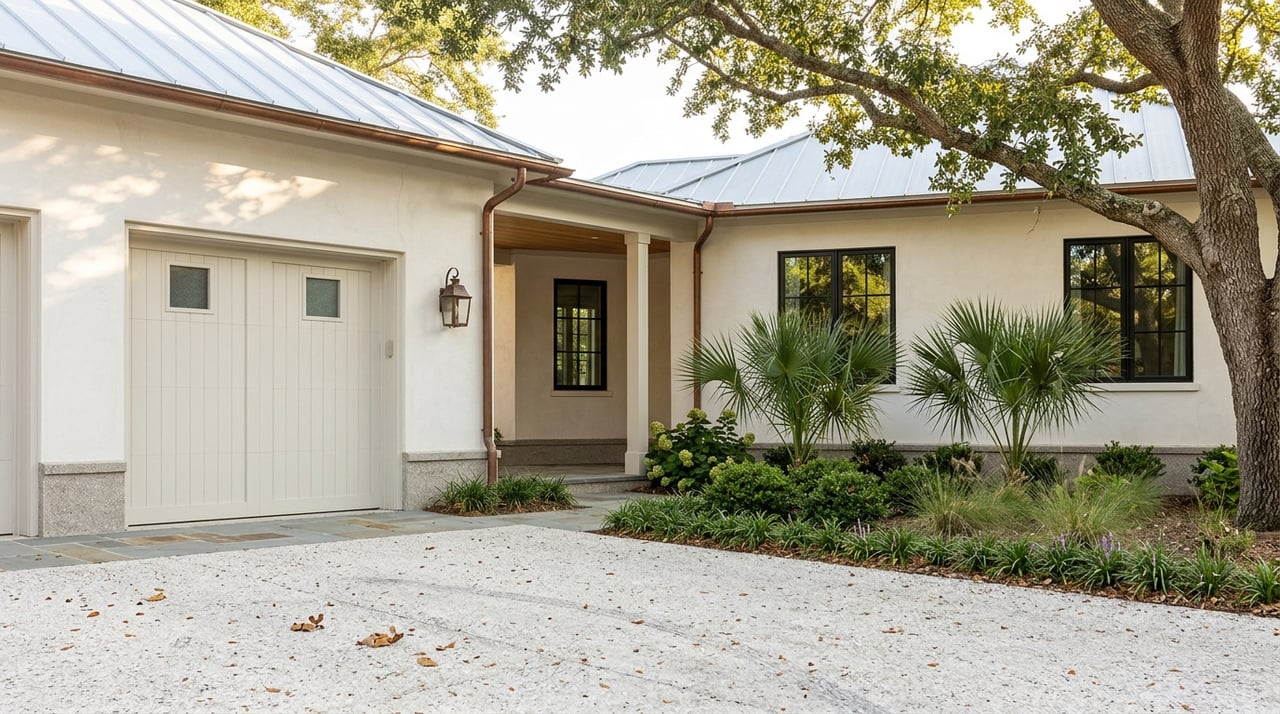
That same report notes there are 3,784 single-family homes, 1,671 villas, and 318 timeshares in Sea Pines. That matters because Sea Pines is not a one-size-fits-all neighborhood. Your ownership experience can look very different depending on whether you buy a single-family home, a villa, or another property type.
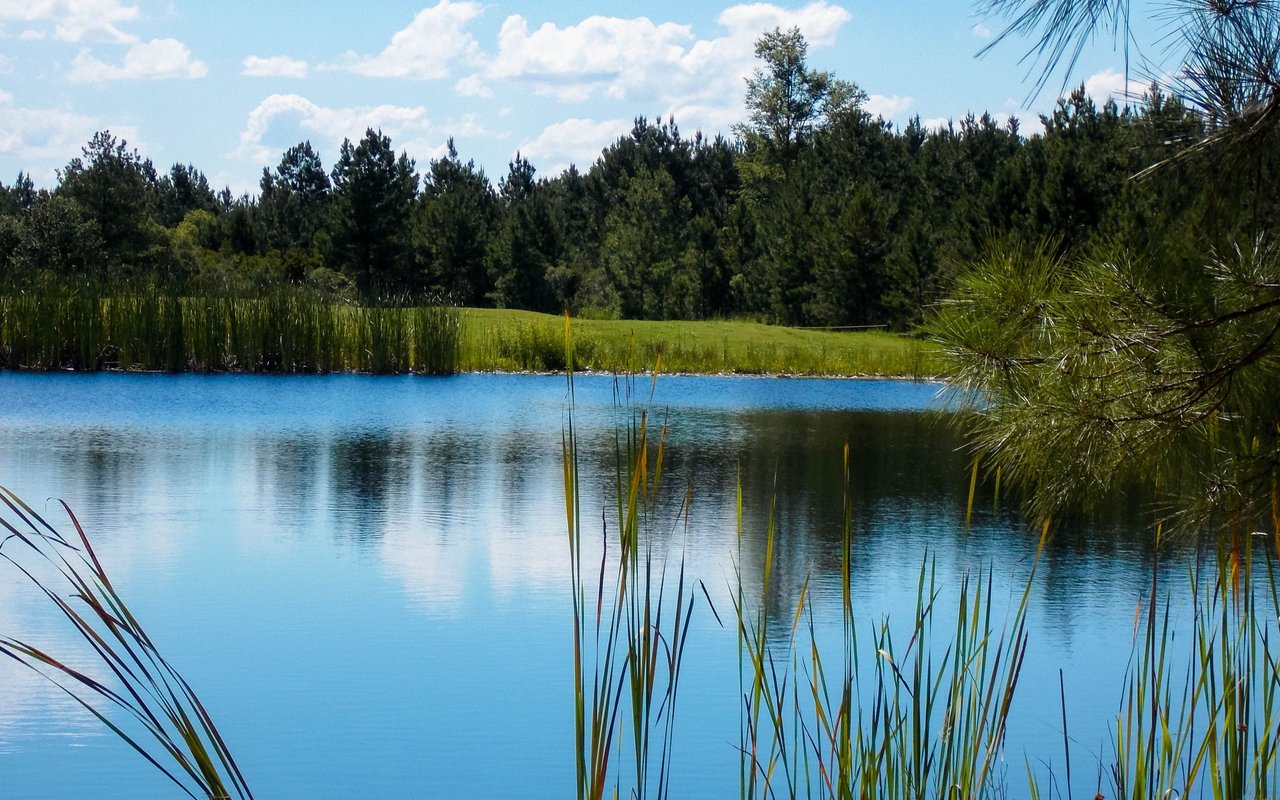
Sea Pines also blends residential living with a resort setting. The community includes beaches, golf, tennis, bicycle paths, dining, shopping, the Sea Pines Beach Club, Harbour Town, the Sea Pines Forest Preserve, and Lawton Stables, as described on the Sea Pines overview page. For second-home buyers, that mix can be a major draw, especially if you want a home that supports both personal use and a lifestyle-centered getaway.
Know the Sea Pines structure
One of the most important things to understand early is that Sea Pines CSA and The Sea Pines Resort are separate entities. The resort policies page specifically states that Community Services Associates is not affiliated with The Sea Pines Resort.
Why does that matter to you? Because community governance, gate access, owner rules, and some services may come through CSA, while certain amenities, memberships, and resort-related policies may be tied to the resort. If you assume all benefits and rules come from one source, it can create confusion during the buying process.
This is one of the biggest reasons second-home buyers benefit from a structured review before making an offer. You want clear answers on what is included automatically, what requires extra steps, and what depends on the exact property you choose.
Budget for the real cost of ownership
When buying a second home in Sea Pines, your purchase price is only part of the picture. You also need to account for ongoing ownership costs.
CSA assessments
Sea Pines residential property owners pay annual CSA assessments. For 2026, Sea Pines CSA lists assessments at $2,065 for an improved lot and $1,233 for an unimproved lot.
That gives you a baseline, but it is smart to verify whether a specific property has any additional neighborhood, regime, or special charges. This is especially important with villas, where the ownership structure may include separate maintenance and governance responsibilities.
South Carolina second-home taxes
Property taxes are another key part of second-home planning. The South Carolina Department of Revenue says a legal primary residence may qualify for a 4% assessment ratio, while a second home or vacation home is assessed at 6% of fair market value.
For many second-home buyers, that means you should expect the higher assessment ratio unless the property later becomes your qualifying primary residence. If you are comparing Sea Pines to another market or trying to estimate annual carrying costs, this tax difference should be part of your math from the start.
Understand access and owner privileges
Sea Pines is a controlled-access community, so entry rules matter for you, your family, and your guests.
Sea Pines CSA explains that property owners use vehicle decals, and those decals are permanent once affixed to the assigned vehicle and are not transferable. Owners can also request guest passes for friends and family.
That may sound simple, but it is worth thinking through how you plan to use the home. If you expect frequent visitors, seasonal family stays, or rental turnover, you will want a clear understanding of how guest access will be managed.
Amenity access is not all the same
Amenity access in Sea Pines depends on status and, in some cases, additional steps. For example, the Harbour Town Pool policies say the pool is complimentary for registered guests of The Sea Pines Resort with a Guest Amenity Card and for Sea Pines property owners with a CSA ID card, current-year sticker, and annual waiver.
That same page notes that Sea Pines Beach Club parking is reserved exclusively for registered resort guests and Sea Pines property owners from 8 a.m. to 3 p.m. from spring through Labor Day. If beach convenience is high on your wish list, it is important to understand exactly how owner access works for the property you are considering.
The resort also offers owner-focused golf, tennis, and fitness packages, but these are separate offerings. Some access may require a purchase, and tennis bookings can be limited during peak periods such as RBC Heritage week.
If you plan to rent, verify every layer
Many second-home buyers at least want the option to rent their property at some point. If that is part of your plan, Sea Pines has several layers of rules you need to review carefully.
First, Sea Pines CSA says owners who plan to rent short term or long term must register the rental property with CSA. The annual rental registration fee is based on the number of advertised bedrooms.
Second, the Town of Hilton Head Island regulates short-term rentals. The Town states that owners need a short-term rental permit for each property used for stays of less than 30 days. The permit fee is $250 per property, it is separate from the annual business license, and it runs from May 1 through April 30.
For single-family rental applications, the Town also requires a site plan showing parking spaces and trash storage. That is one more reason to verify the property’s setup before you buy, especially if rental income is part of your long-term plan.
Renter gate access matters too
Sea Pines also has a separate process for renter access. According to Sea Pines renter gate access rules, rental management companies and owners who rent on a short-term basis must purchase rental guest passes using a Rental Control Number.
The same page says a last-minute weekly rental pass may be purchased at the gate for $20. Long-term renters use a different annual decal process. These details may seem small, but they directly affect the guest experience and your rental operations.
Review rules on appearance and property changes
Sea Pines has active community standards, which is important for buyers who value a well-maintained environment. It also means you should not assume you can make exterior changes freely after closing.
The Sea Pines Community Standards Department says owners are responsible for keeping property in compliance with community standards and restrictive covenants, including the actions of tenants, guests, and contractors. The rules also state that development and landscaping work generally require prior approval, and exterior changes may not be made without prior written ARB approval.
If you are buying with plans to renovate, refresh landscaping, or update the exterior, confirm the approval process before you commit. This is especially important for out-of-area buyers who want to line up work soon after closing.
Plan for absentee ownership
Second-home ownership in Sea Pines often means you will spend part of the year away. That makes maintenance, oversight, and storm readiness a big part of smart ownership.
Sea Pines Security offers a free absentee-owner home check service for owners who are away for several days to a few months. The service includes random door and exterior checks during your absence.
If you want more hands-on support, The Sea Pines Resort also advertises a property management program with in-house maintenance, housekeeping, and property inspections before every arrival or every two weeks if the home is vacant for two weeks or more. If you are comparing self-management with professional support, this is the kind of operational detail worth reviewing early.
Coastal maintenance and storm prep
Sea Pines CSA provides some community-wide maintenance services, but those services may not extend to your private property. For example, the mosquito-control program treats community common areas during mosquito season but does not treat private residential or commercial properties.
Storm planning is also essential. Sea Pines CSA says Atlantic hurricane season runs from June 1 to November 30, and it recommends reviewing insurance early because flood insurance typically has a 30-day waiting period. The guidance also recommends checking the roof, reviewing shutters, trimming trees and shrubs, and knowing utility shutoffs before storm season.
For many second-home buyers, this is where good process matters most. You want a clear plan for inspections, seasonal prep, and emergency response before your first extended time away.
Ask these questions before you buy
A second home in Sea Pines can be a great fit, but only if the details line up with how you plan to use it. Before making an offer, focus on questions like these:
- What is the current CSA assessment for this property?
- Is there a villa regime, neighborhood fee, or other added charge?
- Is the property type a single-family home, villa, or timeshare, and how does that affect maintenance?
- Which amenities come with ownership, and which require extra cards, waivers, or memberships?
- How will guest passes and vehicle access work for your household?
- If you want to rent, is the property already registered with CSA?
- Will you need a Town short-term rental permit and business license?
- Are there any planned exterior updates that would require ARB approval?
- Who will handle home checks, storm prep, and maintenance while you are away?
These are the kinds of questions that can help you avoid surprises and compare properties more accurately.
Make your Sea Pines decision with clarity
Buying a second home in Sea Pines can offer the beach-and-resort lifestyle many buyers want, but it comes with a more layered ownership structure than a typical neighborhood purchase. Between CSA assessments, second-home tax treatment, controlled access, rental registration, amenity rules, and property standards, the best buying decisions usually come from slowing down and verifying the details.
If you want a calm, organized approach to sorting through Sea Pines options, Sara Huiss can help you evaluate properties with care and intention so you can move forward with confidence.
FAQs
What should you know about Sea Pines fees before buying a second home?
- You should review the current CSA assessment, confirm whether the property has any added regime or neighborhood charges, and factor in the higher South Carolina tax treatment that usually applies to second homes.
What should you know about Sea Pines rental rules for a second home?
- If you plan to rent the property, you should verify Sea Pines CSA rental registration requirements, Town of Hilton Head Island short-term rental permit rules, and how renter gate access will be handled.
What should you know about Sea Pines amenity access as an owner?
- Amenity access varies by owner status and amenity type, so you should confirm what is included automatically and what requires a CSA ID card, waiver, sticker, or separate membership.
What should you know about Sea Pines property changes after closing?
- Exterior changes, landscaping work, and some development activity generally require prior approval, so you should review ARB and community standards requirements before planning updates.
What should you know about managing a Sea Pines second home from out of town?
- You should create a plan for absentee checks, maintenance, mosquito treatment for private property if needed, and storm readiness, especially during hurricane season from June 1 to November 30.