Building in Palmetto Bluff can feel exciting and overwhelming at the same time. You are not just choosing a floor plan or a lot. You are making a series of decisions about setting, design, timeline, and long-term use in one of the Lowcountry’s most carefully planned communities. This guide will help you understand the main construction paths, the approval process, and the questions to ask before you commit. Let’s dive in.
Start With the Homesite
In Palmetto Bluff, the homesite is not a small detail. It shapes how you live in the home, how the home is designed, and how the property may appeal to future buyers.
Palmetto Bluff spans 20,000 acres in Bluffton within Beaufort County and the Town of Bluffton. Official community materials point to 32 miles of riverfront, a 7.5-mile inland waterway in Moreland Forest, and a trail system connecting neighborhoods, parks, and village areas. That scale is one reason lot selection matters so much here.
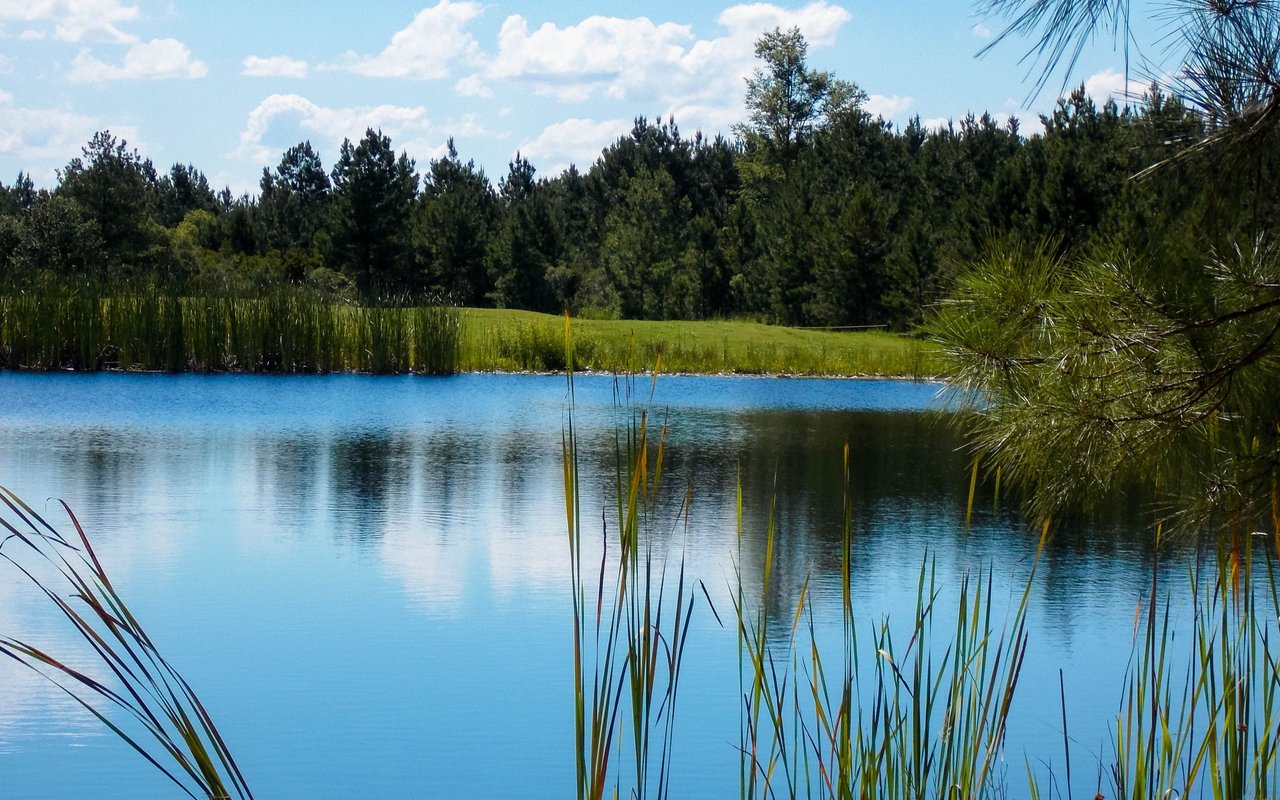
Homesites can be filtered by view type and neighborhood, including park, wooded, village, marsh, lake, river front, inland waterway, and woods. If you are planning new construction, it helps to think about the lot first and the house second.
Match the Lot to Your Goals
A marsh-facing homesite may support a very different design than a village-oriented lot. A wooded parcel may offer a more private feel, while a homesite near club amenities may support easier access and a different day-to-day rhythm.
Before you move forward, think through questions like these:
- Do you want water views, wooded surroundings, or proximity to village spaces?
- Is privacy your top priority, or do you want to be closer to amenities?
- Are you building primarily for full-time living, a second home, or long-term resale flexibility?
- If rental potential matters, is the location aligned with current community rental rules?
Understand the Neighborhood Character
In Palmetto Bluff, location also influences design. The neighborhood you choose can affect both the look of the home and how much flexibility you have in architectural expression.
The community highlights several distinct neighborhood areas, including Moreland Forest, Moreland Village, Wilson Village, and River Road. Official descriptions present River Road as more formal and period-inspired, Moreland Village as a more contemporary Lowcountry interpretation, Wilson Village as the original village core, and Moreland Forest as focused on inland waterway and wetland access.
The community also distinguishes between country neighborhoods and town neighborhoods. Country neighborhoods are described as larger and more private, while town neighborhoods are closer to club amenities.
Why This Matters Early
If you already have a clear design vision, your neighborhood choice should support it. Some areas lean more traditional, while others allow a more contemporary interpretation of Lowcountry design.
That means your lot decision is also a design decision. It is smart to study the setting, the neighborhood character, and the intended architectural feel before you fall in love with a specific plan.
Compare the Three Build Paths
Palmetto Bluff generally offers three ways to move into a new home: fully custom, semi-custom, and built-for-sale homes through Palmetto Bluff Builders. Each path offers a different balance of control, speed, and complexity.
For many buyers, this is the biggest fork in the road. The best choice depends on how involved you want to be, how quickly you want to move, and how specific your design preferences are.
Fully Custom
The custom route gives you the most control. You choose a homesite, select a builder from Palmetto Bluff’s roster of experienced professionals, and move through design, interior selections, and construction in stages.
This path can be a strong fit if you want to shape the home around your lifestyle, your priorities, and the lot itself. It also comes with more decisions, more approvals, and usually a more hands-on planning process.
Semi-Custom
The semi-custom route uses pre-designed plans with curated home details. According to the community, this approach helps reduce the time between plan selection and move-in.
If you want a streamlined process but still want a home that feels personalized, semi-custom can be a practical middle ground. You may give up some flexibility compared with a full custom build, but you gain efficiency and a more defined framework.
Palmetto Bluff Builders
Palmetto Bluff Builders is the most turnkey path. The process is presented in five steps:
- Select the homesite
- Pick the floor plan
- Choose exterior selections
- Make interior selections
- Complete a walk-through at closing
The community says these homes are positioned to complement the homesite and maximize viewing corridors. The program also includes a one-year workmanship warranty, and builder homes are sold through Palmetto Bluff Real Estate Company.
A 2022 community Q&A described builder-program homes as typically taking 12 to 14 months depending on how far along the project already was. That timeline is best treated as a historical benchmark, not a current promise, but it does help illustrate why many buyers see this route as the faster and more curated option.
Plan for Design Review
One of the most important things to understand about building in Palmetto Bluff is that design review is a core part of the process. This is not a place where you simply buy a lot and build whatever you want.
The Design Review Board is responsible for protecting the natural setting and enforcing the community’s Design and Construction Guidelines. The official architecture information says professional design submissions are required regardless of project size.
What Approval Means for You
Every submission uses South Carolina-registered architects and landscape architects. For you, that means custom construction involves a real approval layer before work can move forward.
This is one reason planning ahead matters. A design that fits your goals still has to fit the community framework, the homesite, and the review process.
Expect a Clear Lowcountry Design Language
Palmetto Bluff’s official materials repeatedly reference design features such as:
- Wraparound porches
- Raised foundations
- Broad windows
- Earthy colors
- Natural materials
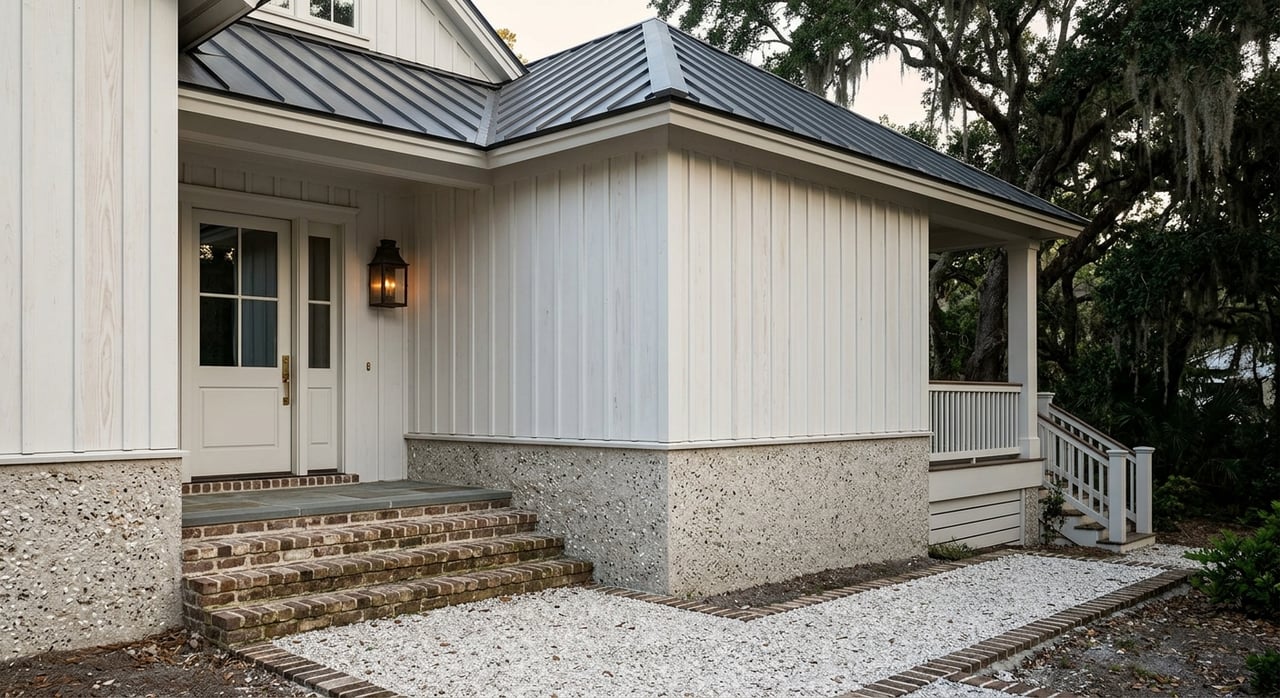
- Metal roofs
- Board-and-batten siding
- Gas lanterns
- Oyster tabby stucco
- Layouts oriented to views and outdoor living
These are not just style suggestions. They are part of how the community keeps new construction visually consistent with the broader Palmetto Bluff setting.
Build a Smarter Budget
A new construction budget in Palmetto Bluff usually has more moving parts than buyers expect. It helps to separate the conversation into three buckets: homesite cost, house cost, and finish or landscape choices.
The Q1 2026 market report shows an average closed homesite purchase price of $1.01 million and an average closed home purchase price of $3.58 million. Those figures are market snapshots, not pricing promises, but they do show why clear budget planning matters from the beginning.
Know Where Costs Can Grow
The builder process itself shows common cost categories, including exterior selections, interior selections, fixtures, appliances, and finishes. On a custom build, those decisions can expand even more.
A simple rule of thumb is this: more control usually means more line items. More line items usually mean more decision points, more opportunities to upgrade, and a greater need for organized planning.
Think About Timing and Market Context
Building in a high-demand community requires patience and a clear plan. It also helps to understand what else is happening in the market while you are making decisions.
In Q1 2026, Palmetto Bluff reported 208 homes in design review or pending construction and 129 completed homes. The same report noted that 51 homes and six homesites were available for resale, with homes averaging 187 days on market and homesites averaging 205 days.
What Those Numbers Suggest
These figures point to an active market with both build and resale inventory in play. If you are deciding between building and buying an existing home, it is worth comparing not just price, but timeline, design fit, and how much customization you truly need.
In some cases, a resale or builder inventory home may better match your timing. In others, building may be the right move if the lot, setting, and long-term plan matter more than speed.
Review Rental Rules Early
If you think rental income may be part of your ownership strategy, do not leave that question for later. It is an early due diligence issue.
The Palmetto Bluff Club short-term rental policy says rental homes must be in a designated rental area, must be registered with the Club for guest access, and are subject to fees and rules that the Club can adjust at its discretion.
Why Rental Rules Matter
Rental eligibility can affect the homesite you choose, the type of home you build, and your future resale audience. Even if you are not planning to rent right away, it is smart to understand the current rules before you buy.
This is especially important for second-home buyers who want flexibility over time. A quick assumption here can turn into a costly mismatch later.
Questions to Ask Before You Build
A calm, organized planning process starts with the right questions. Before you commit to a homesite or a build path, make sure you understand the structure of the opportunity in front of you.
Here are a few smart questions to ask early:
- Does the homesite’s view category align with your lifestyle and long-term resale goals?
- Is the plan already Design Review Board approved, or will it require full custom review?
- Which exterior and interior selections are fixed, and which are flexible?
- What does the one-year workmanship warranty cover?
- Which contractor or product warranties continue after closing?
- How does the neighborhood character influence design options?
- If rental use matters, is the property in a designated rental area under current rules?
Why Guidance Matters in Palmetto Bluff
Planning new construction here involves more than choosing beautiful finishes. You are weighing homesite characteristics, architectural expectations, process timing, and future use in a market where details matter.
That is why a clear decision framework can make such a difference. When you have steady guidance, organized next steps, and someone helping you evaluate tradeoffs, the process becomes much easier to manage.
If you are considering a homesite, comparing build paths, or trying to decide whether new construction or resale makes more sense, Sara Huiss can help you move forward with clarity and care.
FAQs
What are the main ways to build a new home in Palmetto Bluff?
- Palmetto Bluff generally offers three paths: fully custom, semi-custom, and built-for-sale homes through Palmetto Bluff Builders.
What should I consider when choosing a homesite in Palmetto Bluff?
- Focus on view type, neighborhood setting, access to amenities, privacy, design compatibility, and whether the location supports your long-term ownership goals.
What is the design review process for new construction in Palmetto Bluff?
- The community’s Design Review Board oversees compliance with Design and Construction Guidelines, and professional design submissions are required for projects regardless of size.
How long does new construction in Palmetto Bluff take?
- Timing varies by build path and project stage, but a 2022 community Q&A described builder-program homes as typically taking 12 to 14 months as a historical benchmark.
What does Palmetto Bluff architecture usually look like?
- Official community materials highlight Lowcountry features such as wraparound porches, raised foundations, broad windows, natural materials, earthy colors, and layouts oriented to views and outdoor living.
Are short-term rentals allowed for homes in Palmetto Bluff?
- Short-term rentals are subject to community rules, including designated rental areas, Club registration for guest access, and applicable fees and policies.